
Peleman Thermal Binding: Steel‑Spine Strength for Permanent, Professional Office Documents
Forget everything you know about office document binding: not all solutions offer the lasting polish your business deserves. Peleman thermal binding uses a steel spine combined with heat-activated resin to create a permanent, tamper-resistant finish that stands out. In this article, you’ll learn how this system elevates your professional office documents and which types benefit most from its durable binding finish.
Understanding Peleman Thermal Binding
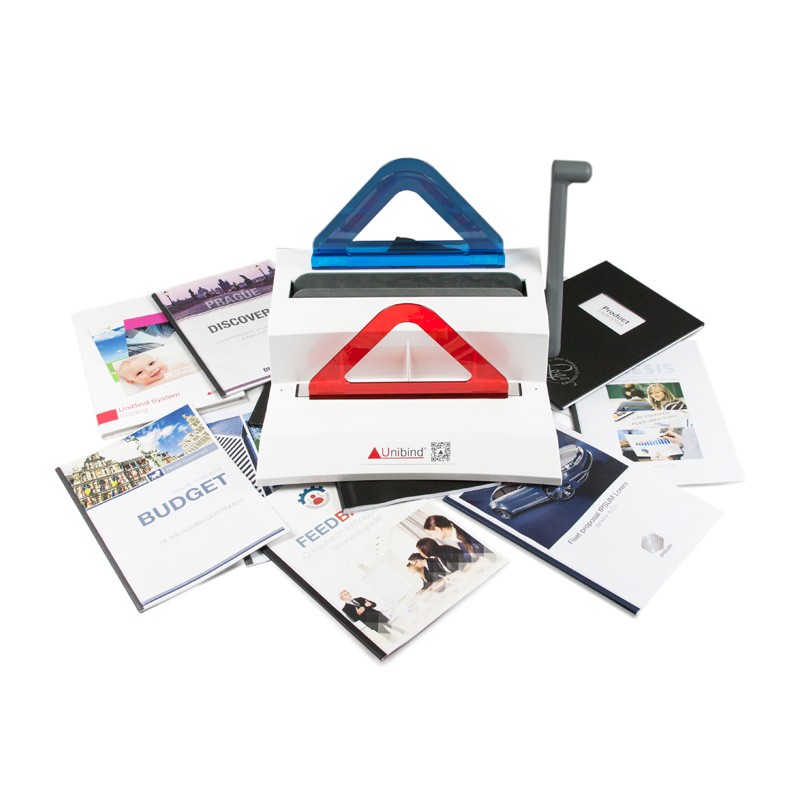
Let's explore what makes Peleman thermal binding a standout choice for your professional documents. This section will guide you through the basics to the benefits of using this method.
How Thermal Binding Works
Imagine your documents bound neatly, without messy glue or staples. That's what thermal binding offers. It uses heat to activate a special resin inside a steel spine. This process securely holds your documents together. No more worries about pages falling out.
The process is simple yet effective. You place your documents into a cover with a steel spine. Once inside the thermal binding machine, heat activates the resin. As it cools, the resin hardens, creating a tight bond. The result is a clean, professional-looking document ready to impress.
Steel Spine and Resin Benefits
Why choose a steel spine? It's about durability. The steel adds strength, ensuring your documents stay intact. Paired with the resin, it offers a tamper-resistant finish. This combination is perfect for documents that need to withstand frequent handling.
The resin's role is crucial. It adapts to different document thicknesses, providing a snug fit every time. This flexibility means you get a consistent finish, whether binding a few pages or a hefty report. With this method, you're investing in a solution designed to last.
Achieving a Permanent Finish
The permanence of Peleman thermal binding sets it apart. Once bound, your documents stay that way. This is ideal for materials that must convey professionalism and reliability. No more worries about pages shifting or covers coming loose.
The longer you wait to switch to this method, the more you risk with less secure options. Remember, first impressions count. With a permanent binding, your documents will always look their best. Embrace the confidence that comes with knowing your materials are presentation-ready.
Professional Document Applications
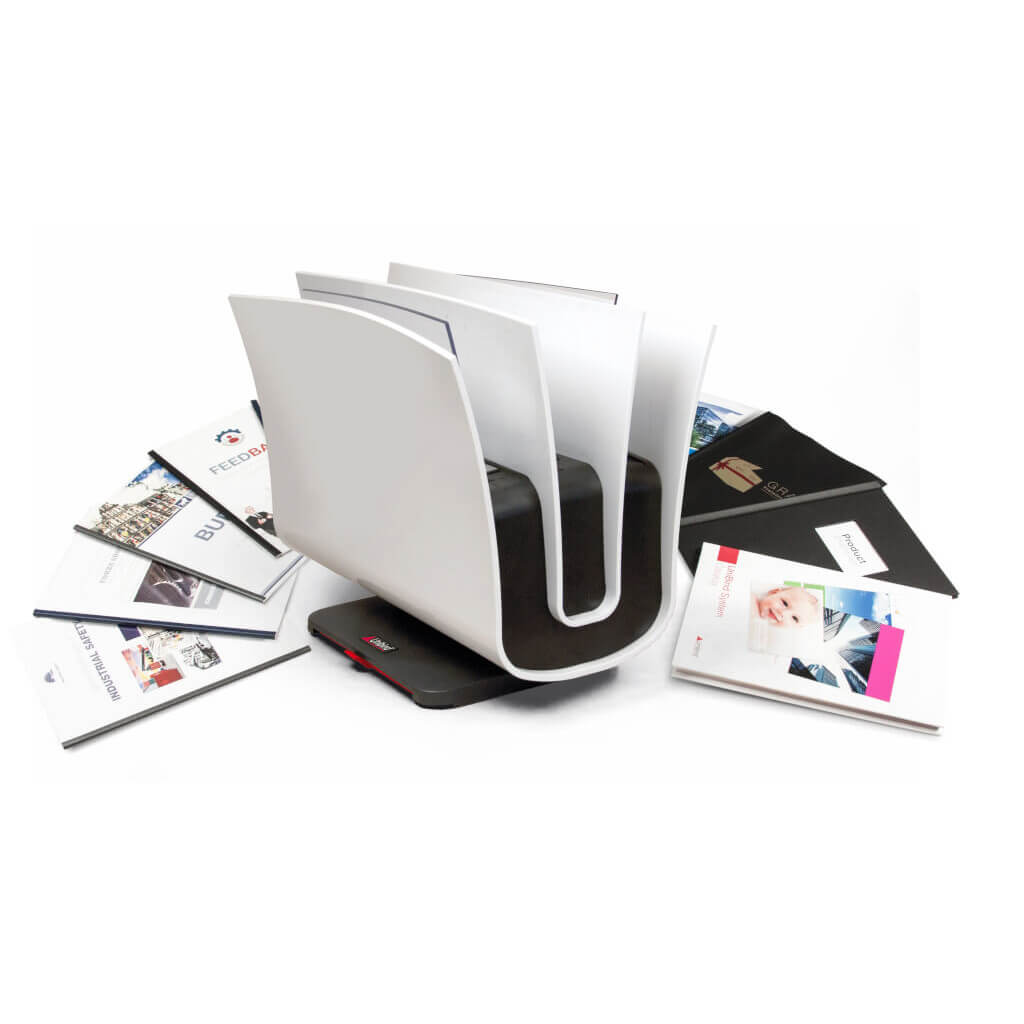
Now that you've grasped how thermal binding works, let's dive into its practical applications. Discover which documents benefit most and how they can enhance your client interactions.
Ideal Documents for Binding
Think about the documents you handle daily. Many can benefit from thermal binding. Consider reports, proposals, and employee handbooks. These materials often need a polished presentation. Binding them ensures they make a strong impression.
Legal and financial documents also benefit from this method. The security of a tamper-resistant finish is key. When clients see a professionally bound document, it reinforces your attention to detail. With thermal binding, you show clients you value quality.
Enhancing Client-Facing Materials
Client interactions are crucial. Every document you present should exude professionalism. Thermal binding elevates materials like brochures and presentations. The sleek finish and sturdy feel instantly impress.
Imagine handing a client a beautifully bound report. They're more likely to view your company as reliable. It's a simple step with a big impact. Consistently using bound materials sets you apart from competitors still using staples or loose pages.
Specific Business Use Cases
Consider scenarios where binding truly shines. HR departments can use it for employee manuals, ensuring everyone has a durable, easy-to-read guide. Estate agents might bind property brochures to create lasting impressions during viewings.
For financial services, bound reports communicate precision and care. Schools and universities can bind dissertations, providing a professional look that reflects student effort. Each use case highlights binding's versatility across industries.
Choosing the Right Peleman System
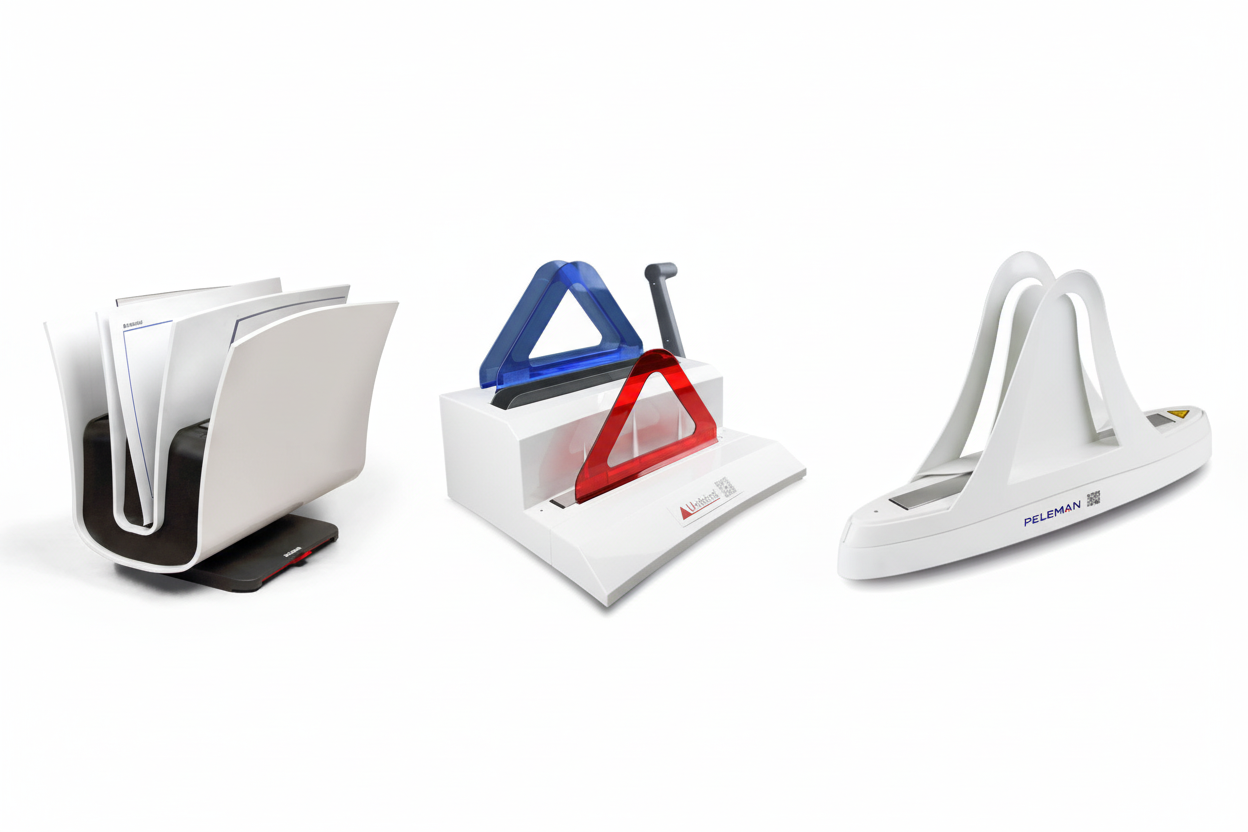
With a clear understanding of thermal binding's benefits, let's explore the systems that make it all possible. Discover the models available and how to select the best fit for your needs.
Overview of Available Models
Peleman offers a range of models tailored to different requirements. From compact machines for small offices to high-volume systems, there's something for everyone. Each model delivers reliability and quality, ensuring peace of mind.
Choosing the right model means considering your volume and type of documents. A smaller office might prefer a compact model, while a print shop could benefit from a high-capacity system. Every business can find a solution that works.
Features of UniBind 60 and Peleman 8.2
The UniBind 60 is perfect for smaller tasks. It's easy to use and suits offices with moderate binding needs. This model offers quick operation and consistent results, making it ideal for everyday use.
For more demanding applications, the Peleman 8.2 is a robust choice. It handles larger volumes and complex tasks. With advanced features, it ensures every document looks professional. Both models deliver quality and efficiency, meeting diverse business demands.
Personalisation and Finishing Options
Beyond standard binding, personalisation options add a unique touch. Custom covers and colours enhance your documents' appearance. This feature is great for branding, ensuring your materials stand out.
Finishing options can include foil stamping or custom spine printing. These details reflect your company's professionalism. By offering personalisation, you ensure every document not only meets but exceeds expectations. This attention to detail sets your business apart, making a lasting impression.
In conclusion, understanding the benefits of Peleman thermal binding and choosing the right system can transform your document presentation. Whether for daily office use or client-facing materials, this investment in quality speaks volumes about your commitment to excellence.